Processed biomass fuel
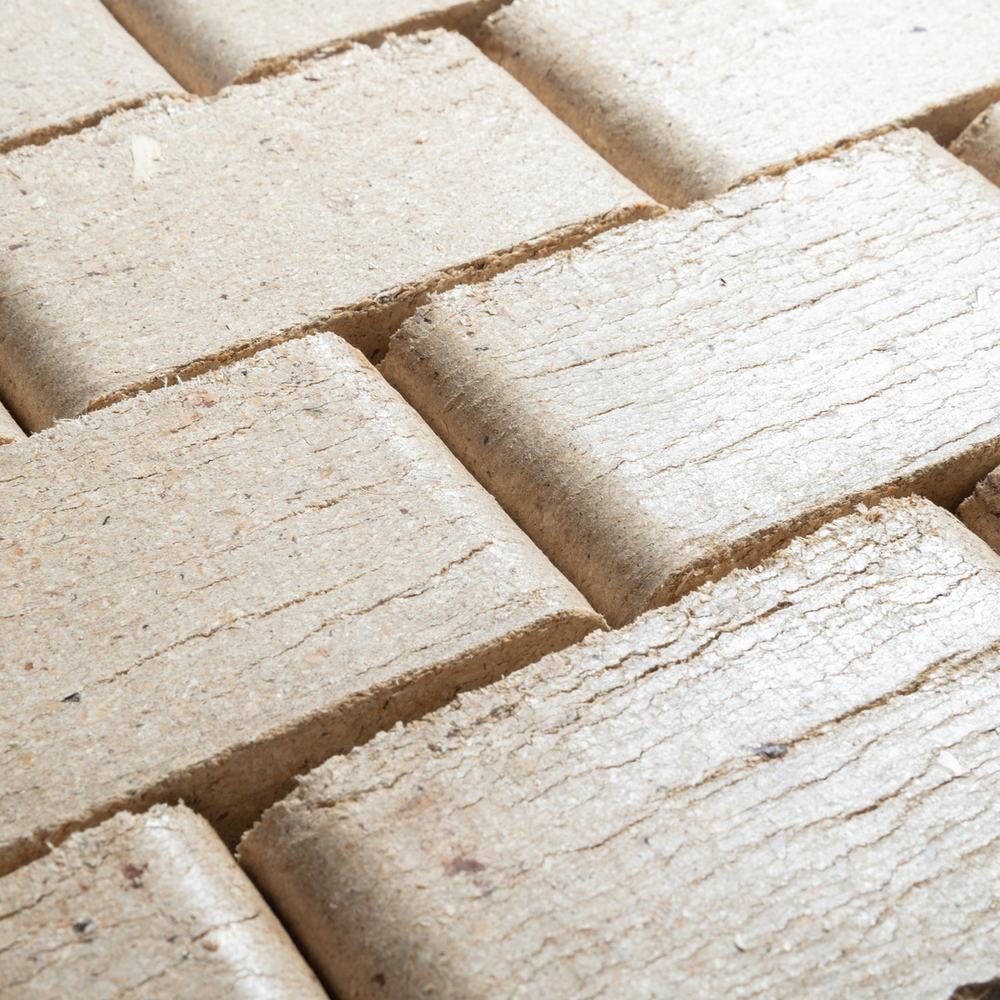
Briquettes made from agricultural and agro-industrial residues that would otherwise be burned or dumped.
- Biomass and carbonised briquettes
- Supply contracts with residue producers
- Packed for household and institutional buyers
We are building an industrial plant that turns agricultural and forestry residues into briquettes, a distribution network that puts efficient stoves in homes and schools on pay-as-you-go terms, and a carbon programme built to today's integrity standards.
Capacities are planned design figures, not current output.
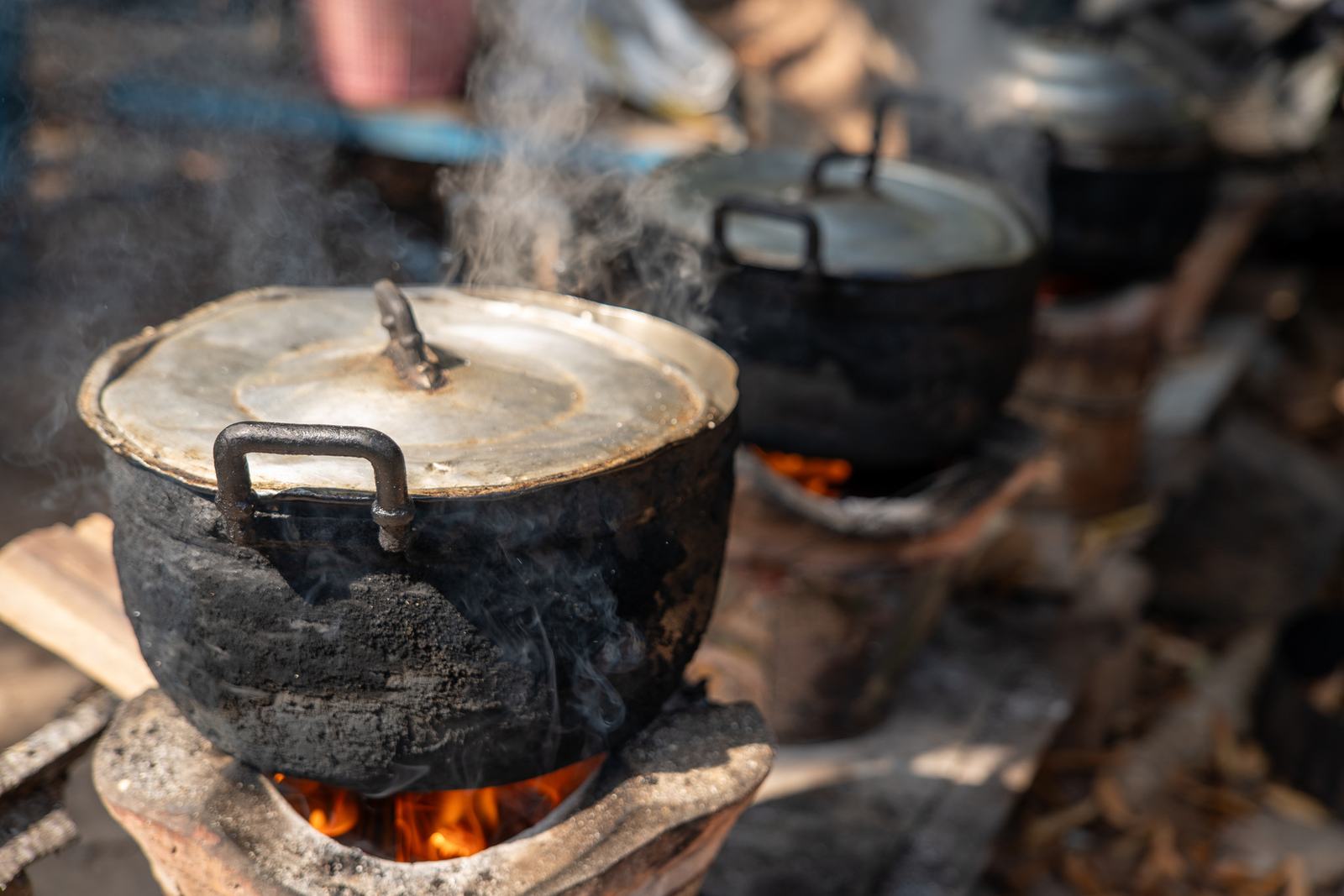
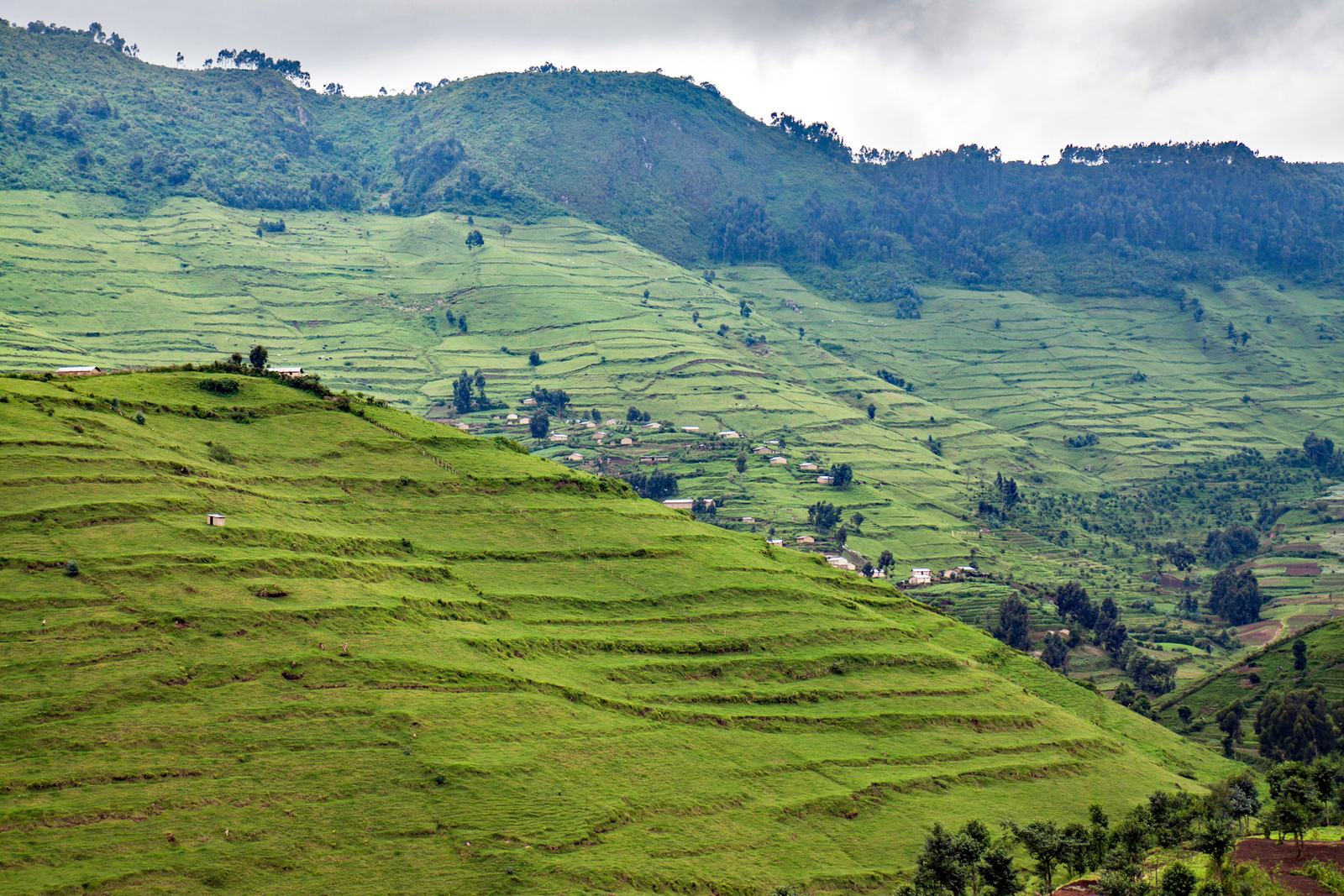
Roughly four in five households in sub-Saharan Africa still cook with traditional fuels. The price is paid in health, in hours of unpaid work and in forests. That is the problem our fuel, stoves and carbon programme are built to reduce.
Source: International Energy Agency, Universal Access to Clean Cooking in Africa (2025).
Most households across Africa still cook with charcoal or firewood. We replace that fuel at the source, then make sure the stove that burns it is efficient and the savings it produces are measured properly.
Briquettes made from agricultural and agro-industrial residues that would otherwise be burned or dumped.
High-tier stoves tested to ISO 19867 and sold with fuel, so families pay in small instalments instead of one large price.
Emission reductions measured stove by stove and certified under recognised standards, including the national Article 6 framework of each host country.
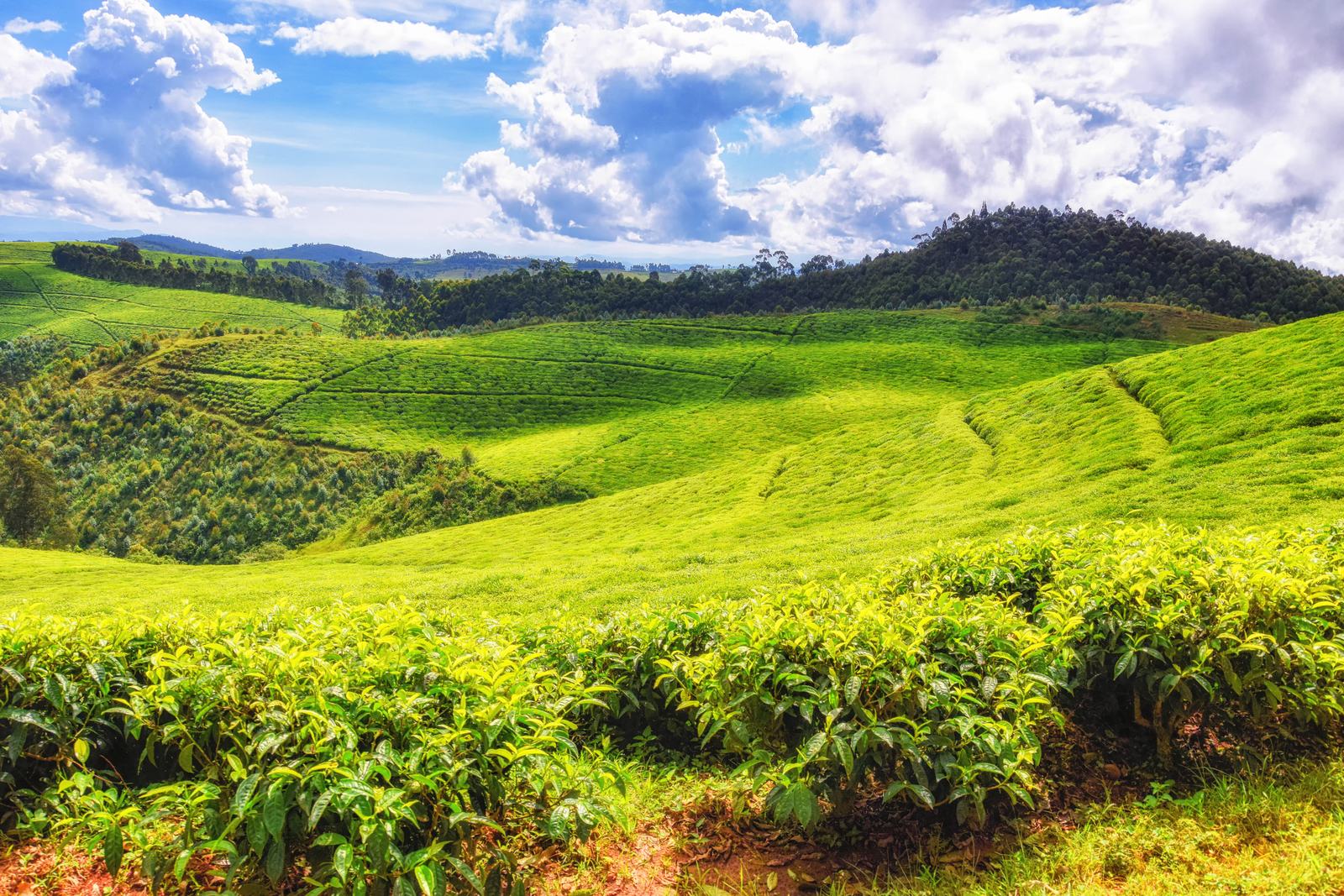
Residues that are burned in the open or left to rot today. Our feedstock plan draws on crops and agro-processing that already exist at scale in the region.
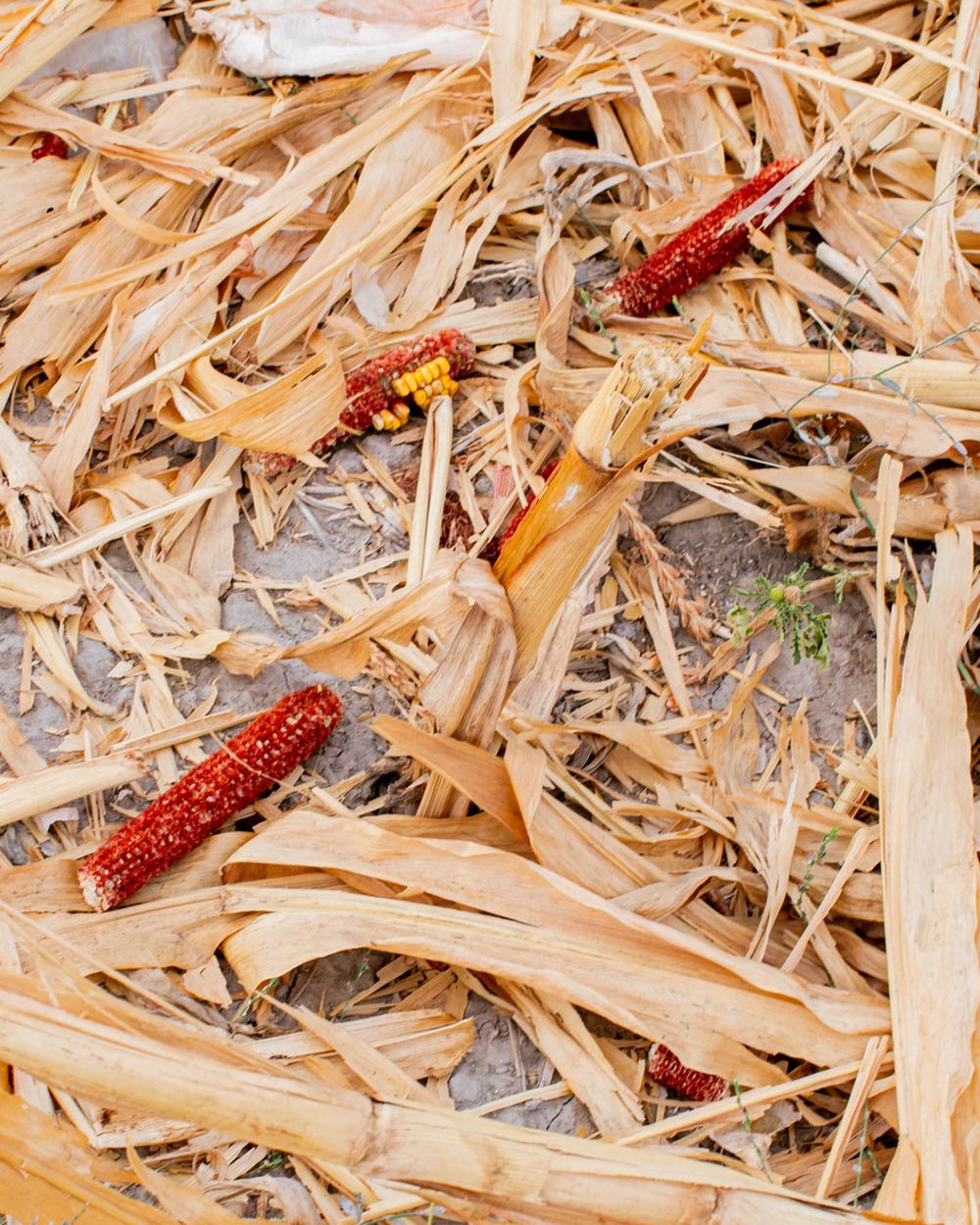
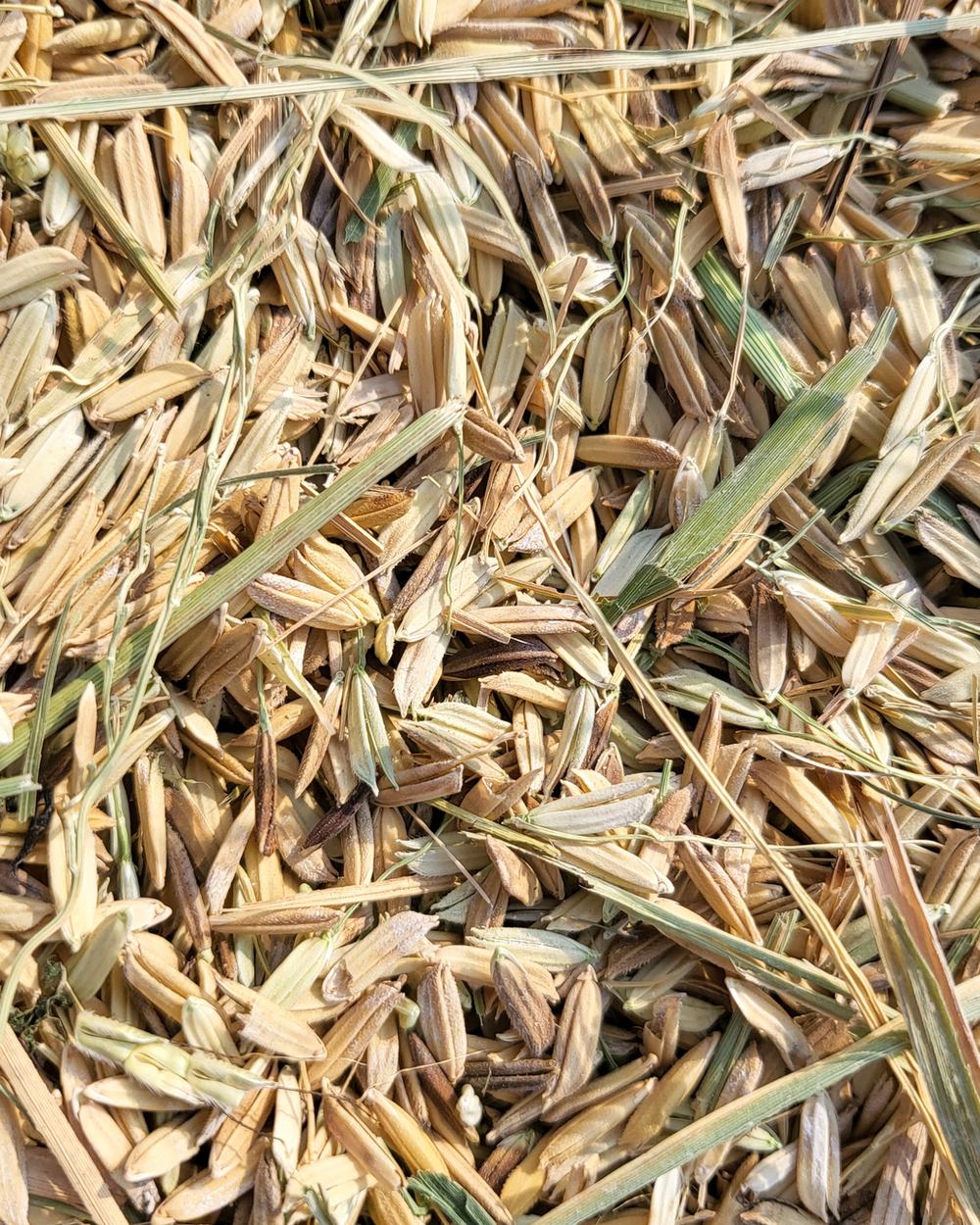
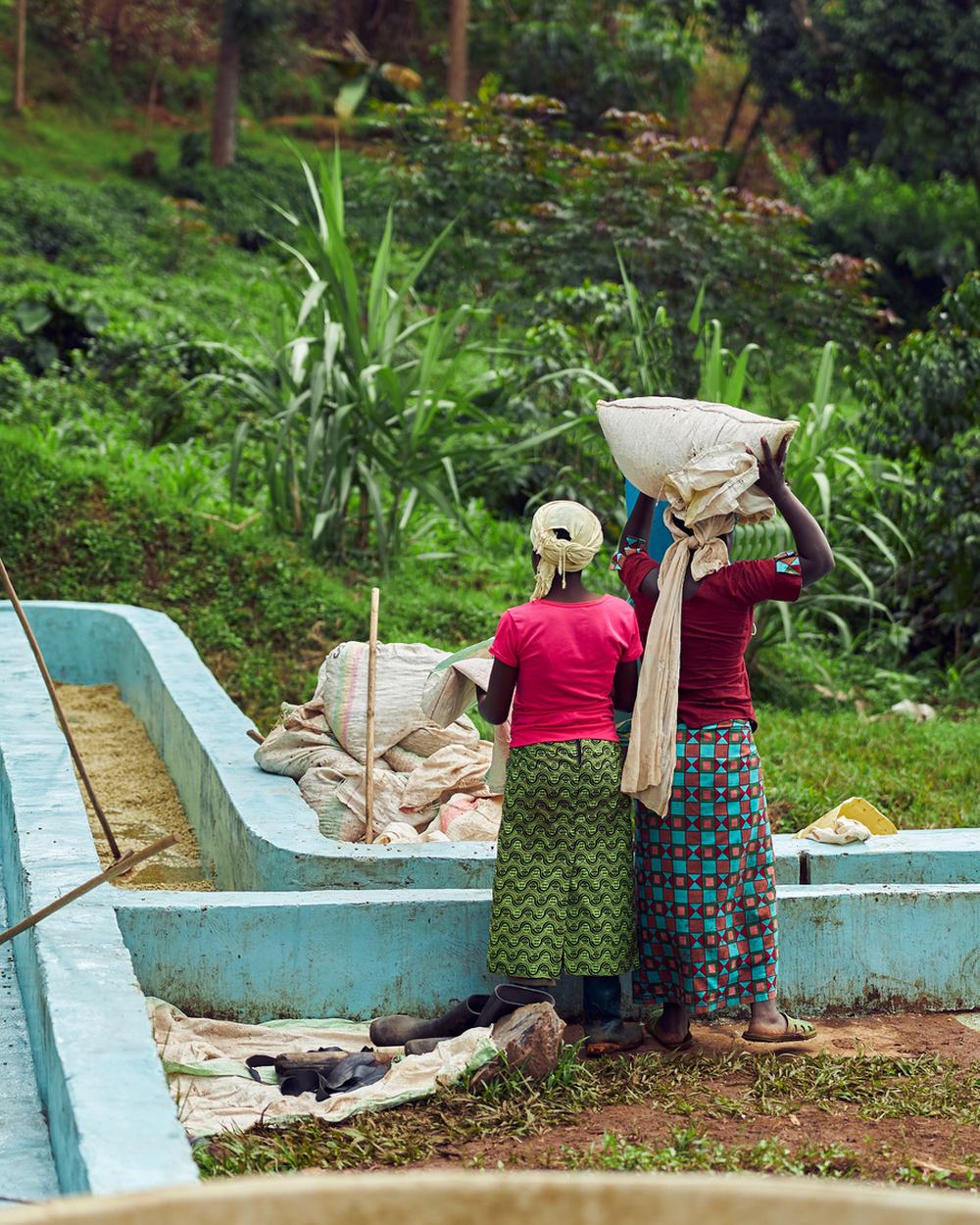
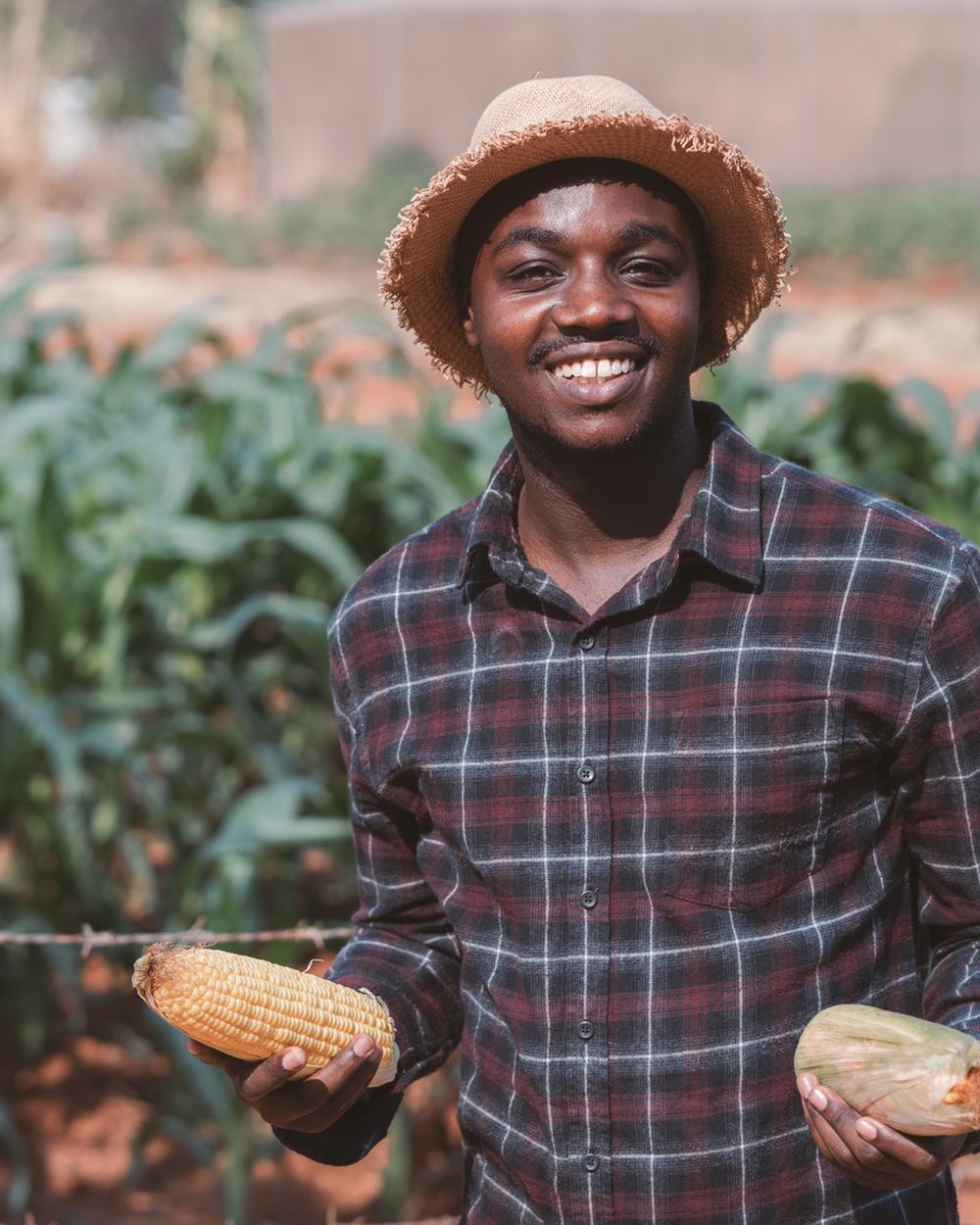
Stock photos, illustrating the residue types in our feedstock plan. They are not images of KCEP operations or suppliers.
Cookstove credits have lost buyers' trust where savings were estimated rather than measured. We are designing our programme around four rules.
| Stove serial | Sold | Programme |
|---|---|---|
| KC-T4-000112 | Household | Subsidy · excluded |
| KC-T4-000113 | Household | Carbon · metered |
| KC-T4-000114 | School | Carbon · metered |
| KC-T4-000115 | Household | Subsidy · excluded |
Illustration of how our register will tag each stove. Serial numbers are examples.
We are raising finance for Phase 1 now. Figures below are design targets from our current plan and will be refined as feasibility work is completed.
Site, feedstock supply contracts and equipment quotations are being finalised as part of Phase 1 preparation.
Our leadership combines operations, finance and government relations with long experience in cookstove programmes and carbon markets across Africa.
Founder of the platform. Leads strategy, partnerships and financing. Brings international business and logistics experience.
Leads day-to-day operations and finance. Experienced regional business owner.
Two decades in improved cookstoves and briquettes. Registered eight cookstove carbon projects with the UNFCCC, Gold Standard and Verra between 2014 and 2021.
For partnership, financing or supply enquiries, write to us. We work with partners across Africa and reply in English or French.